When Place Becomes Memory
There are places we visit, and places that stay with us — not because they were remarkable, but because they were receptive. They didn’t ask for our attention. They made room for it.
Often, the memory doesn’t form while we’re there. It arrives later, unannounced. In a pause between days. In the way light falls across a familiar room. In a quiet moment that feels oddly familiar, as if something from elsewhere has followed us home.
Travel has a way of filling itself. Schedules, routes, expectations — even rest can become something to accomplish. But the places that endure are rarely the ones that asked the most of us. They’re the ones that let us slow down enough to notice what we were carrying.
There’s a difference between visiting and staying. Visiting is marked by movement: arrival, departure, a sense of forward motion. Staying happens when movement gives way to presence — when the day no longer feels divided into moments to capture or complete. Staying begins when nothing is required.
In those moments, quiet changes character. It stops feeling like absence and starts to feel like invitation. The air holds steady. Sound arrives gently and leaves just as quietly. Attention settles without effort. Time loosens its grip.
Staying
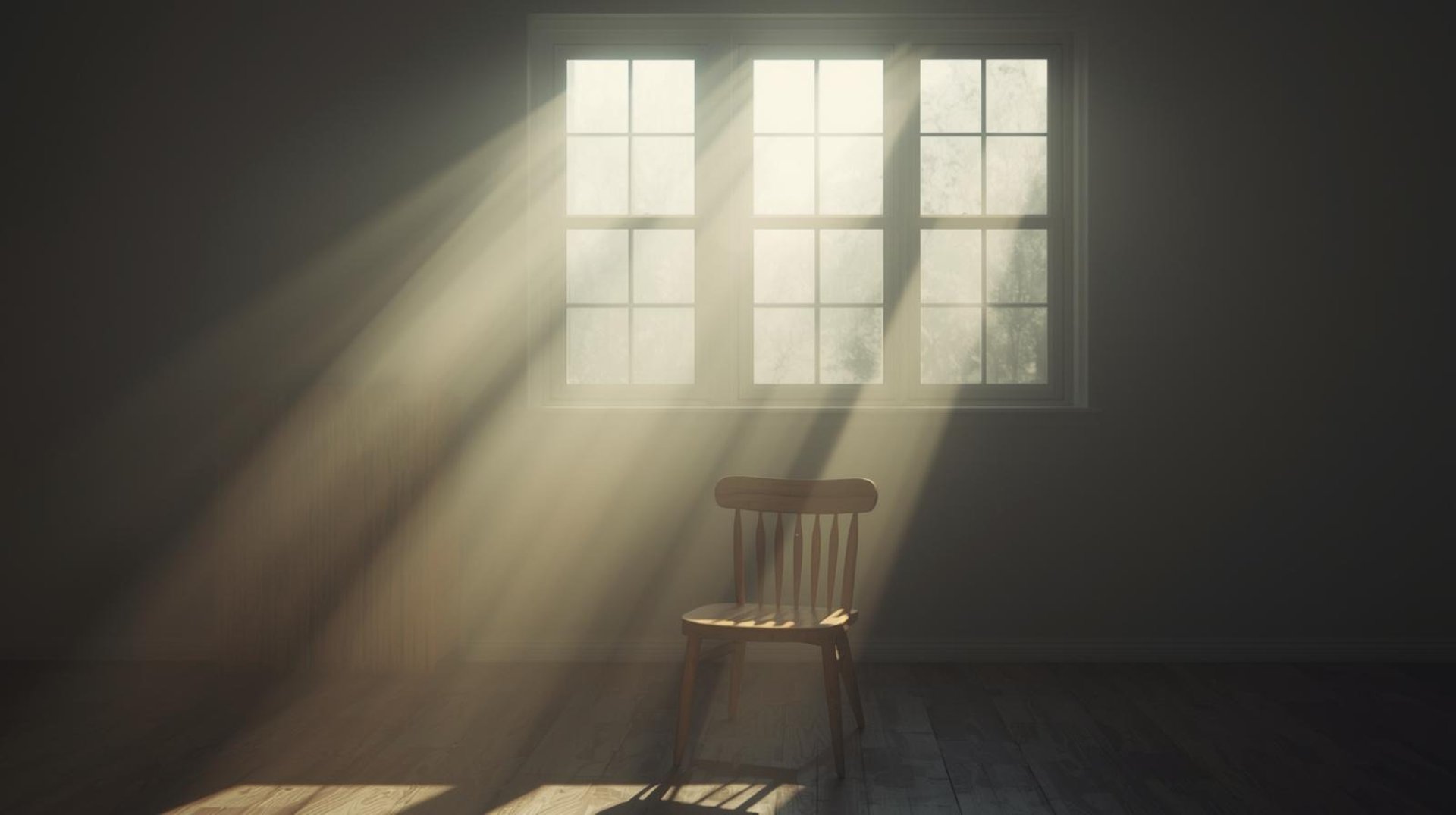
This is often when memory takes root — not at the overlook or the doorway, but somewhere smaller and less defined. A chair pulled close to a window. The sound of wind moving through trees beyond sight. The way morning light reaches a surface and rests there, briefly, before moving on.
These details don’t announce themselves. They don’t ask to be remembered. And yet, they are the ones that remain.
The Moment That Lingers
The places that become memory are rarely dramatic. They don’t insist on meaning. Instead, they offer a kind of permission — to linger, to notice, to be unguarded. They make space not just for rest, but for recognition.
Later, when we try to recall them, we don’t always remember the layout or the view. What returns instead is a feeling: how the day unfolded without urgency, how quiet felt warm rather than empty, how being there allowed something to settle.
Memory, after all, doesn’t preserve places exactly as they were. It preserves how we were held within them.
And sometimes, long after the journey has ended, that quiet returns — not as a destination, but as a way of remembering how it felt to be there.
Quiet, Held
Home · Start Here · Journal · About · Terms
© 2025 Yunker Collective · Stay Notes Journal.
A project of Renascent Works