The Old Inn by the River
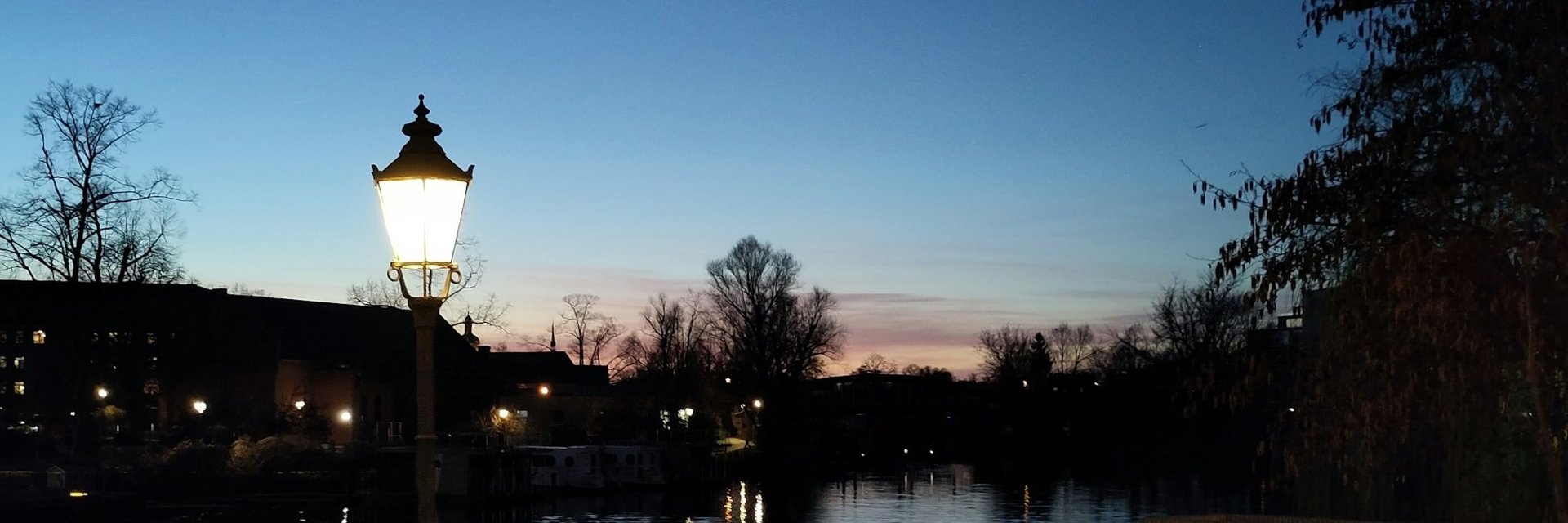
The inn reveals itself gradually. A narrow road bends toward the river, the sound of water arriving before the building does. By the time the entrance comes into view, the windows are already lit — steady and familiar, as if the place has been expecting you.
The building carries its age without ceremony. Steps have been softened by years of arrival and departure. Wood is worn smooth by countless hands. Nothing here rushes to impress. The inn stands as it always has, shaped by use rather than design.
Inside, the air feels held. Lamps glow at a measured distance from one another, casting light that pools instead of spreads. The front desk bears the marks of time — a shallow curve at its edge, polished by habit. Keys hang in their familiar place. Even the floorboards seem to remember their work, giving a quiet creak beneath each step like acknowledgment rather than complaint.
A bag is set down. A coat is folded. The inn accepts these gestures without comment.
The river moves just beyond the windows, steady and unhurried. From certain windows, light from inside rests on the water — lantern glow mirrored on the surface. From others, the river slips out of view, present only as sound.
In the gathering room below, the inn settles into that same rhythm: slow meals, quiet conversations, pauses that don’t ask to be filled. There are corners where the light stays warm, and chairs that seem placed for lingering. Somewhere, tea steeps; somewhere, a kettle settles back into silence. The sense of time here isn’t erased — it’s softened, made gentle enough to live with.
Upstairs, the hallway narrows. Doors close softly. The room carries the same restraint as the rest of the building — a bed placed where it has always been, a chair angled toward the window, a small lamp waiting by the bedside. When night settles in, the light holds steady without pushing back against the dark.
Sleep comes easily here, shaped by familiarity rather than exhaustion.
Morning arrives quietly. Light shifts across the floor. Somewhere below, the inn wakes in small increments — a door opening, a voice passing briefly through the hall, the muted sound of dishes being set in place. The river continues on, unchanged by your presence but not untouched by it.
This is a place shaped by return.
A village inn beside a bend in the water, where light gathers and time slows.
Inns have long stood at the edges of movement — near rivers, crossings, and roads where travelers slow before continuing on. They were built not as destinations, but as thresholds: places to arrive, rest, and gather before moving again.
Light mattered. Lanterns burned to signal welcome. Windows stayed lit after dark, not for display, but for reassurance. Over time, those small lamps became part of the landscape — a steady answer to the question of whether someone was there, whether stopping was allowed.
The old inn still holds that role. It doesn’t ask who you are or where you’ve been. It simply keeps a light on.
History in Place — From the Field Journal
This stay suits travelers drawn to places with continuity — where age is felt rather than curated, and comfort comes without performance. It offers quiet without isolation and warmth without insistence.
It’s best for those who appreciate shared spaces, steady rhythms, and the sense of being folded briefly into a longer story.
Why This Stay
Arrive after dusk, when the windows are already lit.
A Note
Home · Start Here · Journal · About · Terms
© 2025 Yunker Collective · Stay Notes Journal.
A project of Renascent Works